
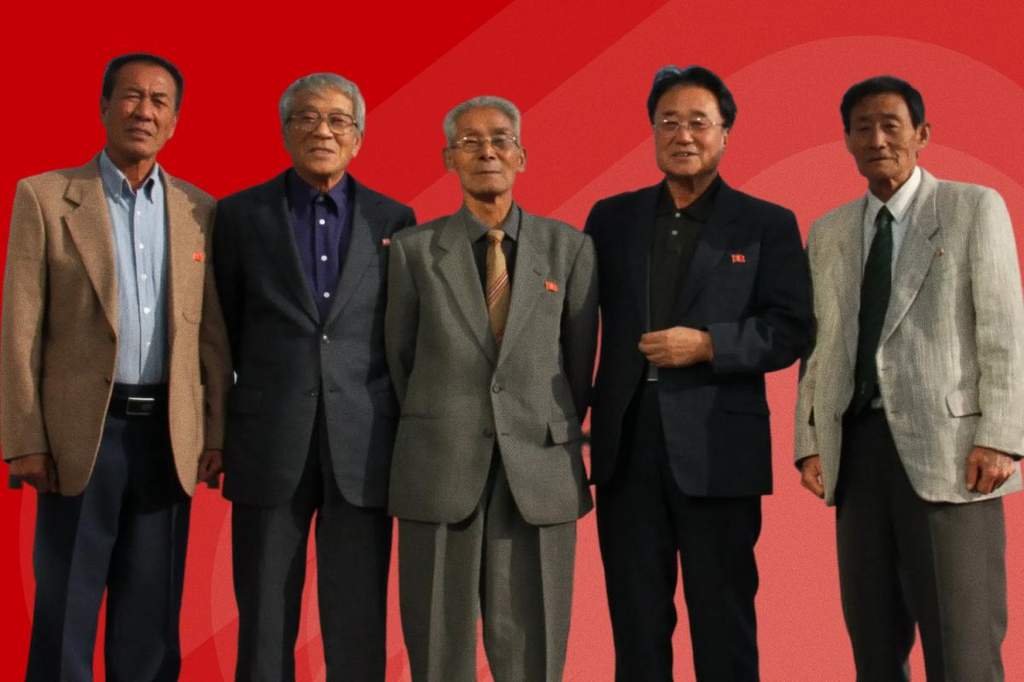
The 1966 World Cup in England produced what remains arguably the greatest shock in international football history, when an obscure North Korean team eliminated giant Italy 1-0 in their final group stage match. According to archives revisited by L'Équipe, core members of that historic squad gathered decades later to share rare personal reflections on the month that permanently altered their lives. The victory over Italy, sealed by Pak Do-ik's memorable goal, propelled the tireless Asian side into the quarter-finals during their debut international tournament.
// RELATED STORIES

Enjoying this article?
Get even more captivating stories by subscribing to our newsletter. It's free!
Subscribe Sekarang →Prior to their arrival in England, the squad held deep reservations about traveling to a nation they previously viewed strictly through political lenses. Based on accounts from player Rim Jung-song, the players expected host towns like Middlesbrough to be hostile, yet they were instead greeted with overwhelming warmth by local fans, hotel staff, and officials. Pak Do-ik noted that the initial distance melted away as local children asked for autographs, with the English public quickly adopting the underdog team as their own throughout their remarkable group stage run.
The quarter-final against Portugal provided another legendary chapter in World Cup lore, as North Korea stunned the tournament favorites by racing into a 3-0 lead within twenty minutes. However, a masterclass quadruplet performance by Eusebio saw Portugal rally to win 5-3, leaving the North Korean players with lifelong memories and tactical regrets. Coach Myung Rye-hyun admitted that their uncompromisingly offensive philosophy cost them, conceding that modern defensive adjustments could have preserved their lead. Pak Do-ik shared that he still periodically rewatches the thrilling match, noting with a smile, "Every time, it wakes me up."
From editorial monitoring, the legacy of North Korea's 1966 squad extends far beyond football tactics, serving as a rare bridge for international diplomacy during the Cold War era. Despite unfounded rumors regarding their treatment upon returning home, the players were celebrated in Pyongyang with public honors, state medals, and extended family vacations courtesy of Kim Il-sung. Decades later, team members like Yang Song-guk and Rim Jung-song highlighted how football helped reshape diplomatic perceptions, pointing to annual receptions with the British Embassy in Pyongyang and their emotional 2002 reunion in Middlesbrough as proof of sports diplomacy's enduring power.