
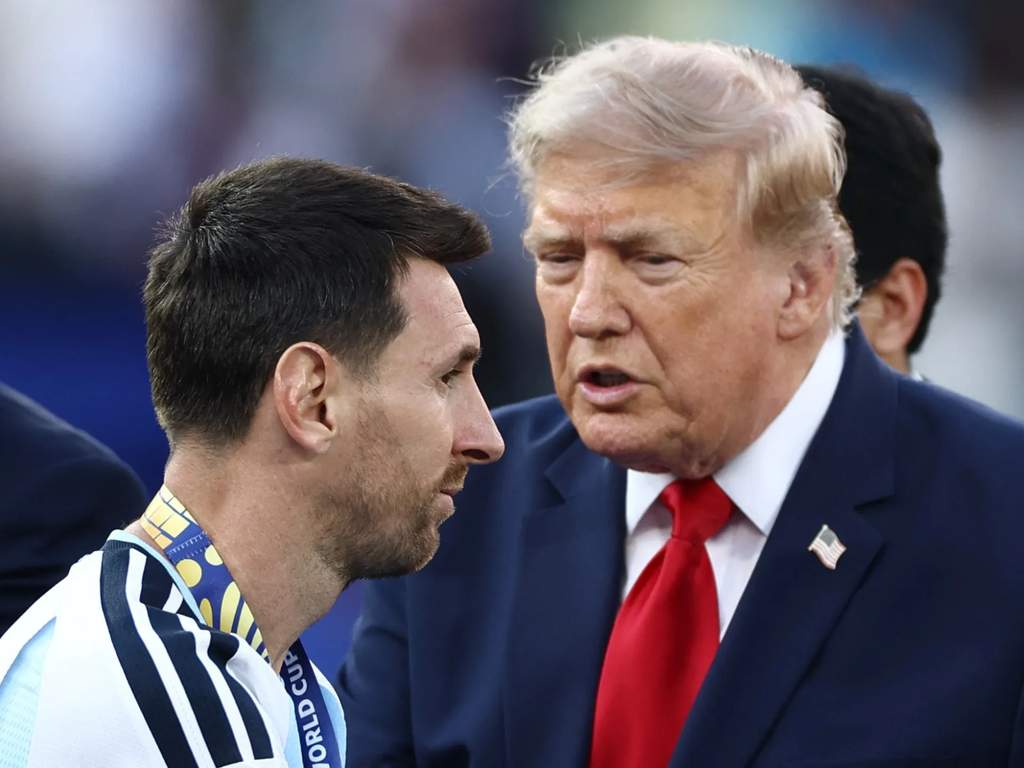
The expanded 48-team FIFA World Cup 2026 came to an end with Spain emerging as deserved champions after defeating Argentina in the final. Despite geopolitical headlines and visa issues dominating early coverage, on-field drama quickly captured global attention. Major debuts and historic moments reshaped perceptions of international football hierarchy.
// Related stories

Enjoyed this article?
Get more compelling stories delivered straight to your inbox. Subscribe to our newsletter for free!
Subscribe Sekarang →Concerns regarding team saturation and player fatigue proved largely unfounded during the expanded tournament structure. Debuting sides narrowed the competitive gap against traditional powerhouses. Cape Verde emerged as fan favorites after holding Spain and Uruguay to draws before pushing Argentina into extra time.
Discussions have already shifted toward a potential 64-team expansion for the 2030 tournament edition. Under proposed structures, finalists would still play the same total number of matches by using a 16-group initial phase. Excluded traditional contenders like Italy welcome further expansion concepts.
Controversy surfaced when FIFA suspended a red card ban for USA forward Folarin Balogun following his ejection against Bosnia and Herzegovina. The decision sparked allegations of political bias after US President Donald Trump publicly requested a rule review. USA subsequently exited in the last 16 following a 4-1 defeat to Belgium.
Tournament officials faced criticism over dark arts tactics and match interruptions. Mandatory hydration breaks drew widespread spectator disapproval despite persistent summer heat warnings from sports scientists. Meanwhile, defensive fouling strategies employed by top teams prompted calls for stricter refereeing standard enforcement.
Host nations experienced mixed outcomes throughout the landmark competition. Canada achieved a historic last-16 run to boost domestic interest, while Mexico faced off-field tragedy following crowd crushes during victory celebrations. The United States met performance expectations, though full commercial potential remains tied to developing future global superstars.